

Does Insulation Improve Air Quality at Home?
A cold bedroom over the garage, musty cottage air after a wet spring, dust collecting near supply vents - these problems can make homeowners wonder: does insulation improve air quality? The honest answer is yes, but not in the way an air purifier does. Insulation does not filter pollen, smoke, or pet dander from the air. When it is properly selected and installed, though, it can help control the conditions that allow indoor air problems to develop.
For homes across Central Ontario, the connection often comes down to drafts, moisture, temperature swings, and ventilation. A well-planned insulation upgrade can make a home more comfortable while reducing pathways for outdoor contaminants and helping prevent mold-friendly conditions. The details matter, especially in older homes, cottages, and renovations where hidden gaps or moisture damage may already be present.
Does Insulation Improve Air Quality? It Depends on the Installation
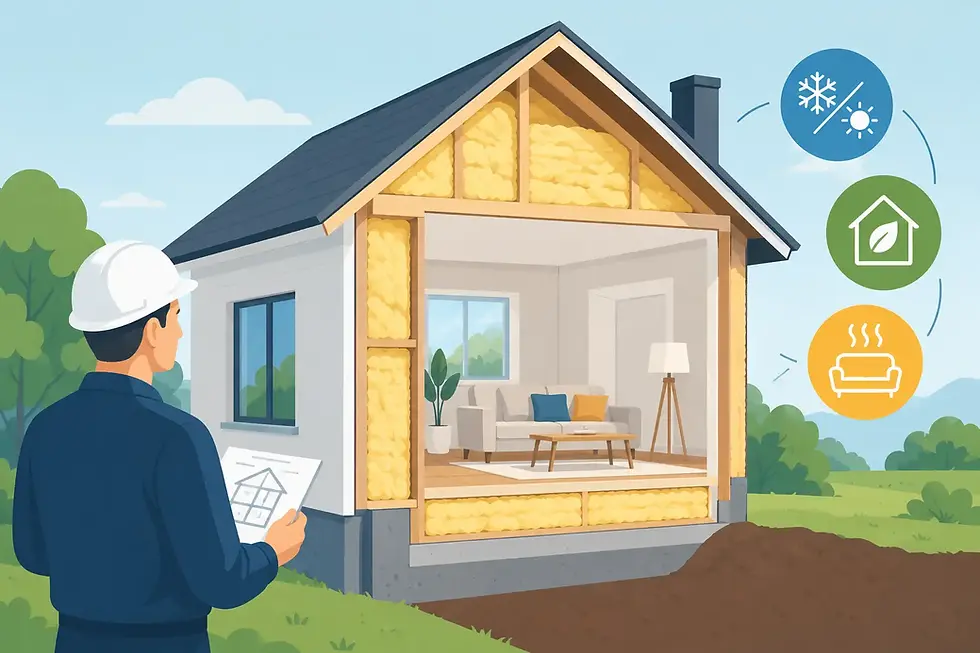
Insulation improves thermal resistance. In simple terms, it slows heat movement through attics, exterior walls, crawl spaces, basements, and other parts of the building envelope. That alone does not clean the air in your home.
The indoor-air benefit comes when insulation work is paired with careful air sealing and moisture management. Unsealed openings around plumbing stacks, wiring penetrations, attic hatches, rim joists, and wall cavities can allow unconditioned outdoor air to enter. Depending on the season and location, that air may carry pollen, dust, humidity, cold drafts, or wildfire smoke.
Air sealing reduces uncontrolled air leakage. This gives you more control over where replacement air enters the home and makes mechanical ventilation more effective. It can also stop attic dust, insulation fibers, and odors from being pulled into living areas through pressure differences.
However, tighter is not automatically better if a home does not have adequate ventilation. Every house needs a reliable way to exchange stale indoor air for fresh outdoor air. Kitchens, bathrooms, dryers, fireplaces, and fuel-burning appliances all affect airflow. A qualified insulation contractor should look at the whole situation rather than treating R-value as the only measure of a successful project.
The Biggest Air-Quality Benefits of Proper Insulation
Fewer Drafts Can Mean Fewer Outdoor Pollutants
When air leaks through cracks in the building envelope, it brings more than cold air in winter or hot air in summer. It can carry outdoor dust, pollen, vehicle exhaust, and humidity. Leakage points are especially common in older homes and seasonal cottages that have settled, been renovated in stages, or have unfinished attic and basement areas.
Sealing these pathways helps reduce uncontrolled infiltration. This will not eliminate every contaminant, and it is not a substitute for a properly maintained HVAC filter, but it can make a noticeable difference for people who are sensitive to seasonal allergens or dust.
Better Moisture Control Helps Limit Mold Risk
Moisture is one of the most important factors in indoor air quality. Warm indoor air can move into cold building cavities during winter. If that moisture-laden air reaches a cold surface and condenses, it can wet wood, drywall, or insulation. Over time, that creates conditions where mold may grow.
Proper insulation helps keep interior surfaces warmer, reducing the likelihood of condensation. Air sealing is equally important because air leakage transports far more moisture into assemblies than vapor diffusion alone. In basements and crawl spaces, the right approach may also include managing ground moisture, drainage, and foundation conditions.
Mold concerns should never be covered up with new insulation. If staining, persistent odors, visible growth, or water damage is present, the moisture source must be identified and addressed first. Qualified mold handling and safe site practices protect both the occupants and the people doing the work.
More Even Temperatures Reduce Damp, Stagnant Areas
Cold corners, poorly insulated exterior walls, and underinsulated attic spaces can create localized temperature differences throughout a home. Those areas may feel clammy, particularly in basements, bedrooms above garages, or rooms near knee walls.
Improving insulation can bring surface temperatures closer to the room temperature. That makes the space more comfortable and can reduce the damp conditions that contribute to musty odors and condensation on windows or walls. The result is not just lower heating and cooling demand. It is a more stable indoor environment that is easier to manage.
Insulation Can Keep Attic and Crawl-Space Air Out of Living Areas
Attics, crawl spaces, and unfinished utility areas are not intended to supply air to your living space. Yet pressure changes caused by exhaust fans, furnaces, and stack effect can draw air from these zones through openings in ceilings and walls.
Attic air may contain dust, rodent debris, old insulation particles, or odors. Crawl-space air may contain dampness, soil odors, or contaminants associated with stored materials. Air sealing between these areas and the occupied space is often one of the most valuable parts of an insulation project.
Insulation Choices Matter for Indoor Air
Different insulation materials can serve different purposes. The right choice depends on the location, the existing structure, moisture conditions, required R-value, budget, and whether air sealing is part of the job.
Spray foam can provide insulation and air sealing in one application when it is correctly specified and professionally installed. It can be useful at rim joists, irregular framing, rooflines, and difficult-to-seal cavities. Like any specialized product, it requires trained installers, appropriate jobsite preparation, and adherence to manufacturer requirements. Occupants may need to stay out of the work area during installation and curing, following the contractor's safety guidance.
Blown-in insulation is often a practical solution for open attics and some enclosed wall cavities. It can improve coverage around obstructions and help bring underinsulated areas up to current performance targets. Before it is installed, air leaks at the attic floor should be addressed so the new insulation is not simply placed over gaps.
Fiberglass and other batt systems can perform well when they are installed without compression, gaps, or voids. Poorly fitted batts leave weak points in the thermal boundary. In other words, the material matters, but workmanship matters just as much.
What Insulation Will Not Fix
A responsible contractor should be clear about the limits of insulation. It cannot remove pollutants already circulating in the home, repair a leaking roof, fix a wet basement, or compensate for an unvented gas appliance. It also cannot solve persistent cooking odors, high humidity from daily activities, or a dirty HVAC system on its own.
If indoor air quality is a concern, look at the home as a system. Maintain exhaust fans in bathrooms and kitchens. Use properly vented range hoods and clothes dryers. Replace HVAC filters on schedule. Keep humidity at an appropriate level, particularly during cold weather. Where a home is made significantly tighter, consider whether controlled ventilation, such as an HRV or ERV, is needed to provide dependable fresh-air exchange.
For homes with wood stoves, fireplaces, gas appliances, or attached garages, carbon monoxide alarms are essential. If occupants experience headaches, dizziness, unusual odors, or respiratory symptoms that improve when they leave the building, treat the situation seriously and seek appropriate professional help.
Warning Signs Your Home May Need an Insulation and Air-Sealing Review
Some signs point to a building-envelope issue rather than a simple comfort complaint. Frost in the attic, recurring window condensation, uneven room temperatures, cold floors, musty smells, and high heating costs can all indicate gaps in insulation, air leakage, or moisture movement.
You may also notice dust streaks around ceiling fixtures or at wall-to-ceiling joints. These marks can occur when air moves through small cracks and deposits airborne particles. They are not proof of a single problem, but they are worth investigating before finishing a renovation or adding more insulation.
In older properties, an assessment should also consider existing materials and hidden risks. Disturbing suspect insulation, vermiculite, mold-affected materials, or damaged building components without proper precautions can create a larger problem. Licensed, insured, and properly trained professionals protect the project, the property, and the people living or working inside it.
A Better Goal Than “More Insulation”
The best outcome is not simply adding the highest possible R-value. It is creating a continuous, dry, well-sealed thermal boundary while ensuring the home has appropriate ventilation. That approach supports comfort, energy efficiency, durability, and healthier indoor conditions together.
For a cottage that sits closed through part of the year, moisture control and air leakage may deserve as much attention as attic depth. For a newly built home, the focus may be code-compliant installation details and planned ventilation. For an older house with a cold basement, rim-joist air sealing and foundation moisture assessment may offer more value than treating one room in isolation.
If you are considering an upgrade, ask for a clear explanation of what will be insulated, what will be air sealed, how moisture concerns will be handled, and what safety measures apply to the selected materials. A careful assessment turns insulation from a quick fix into a lasting improvement for the way your home feels and the air your family breathes.


Comments